

The Spirit of Black Tulsa is Alive
On Mother Fletcher's courageous life and legacy, the enduring footprint of "Black Wall Street," and the spirit that refuses to fade.

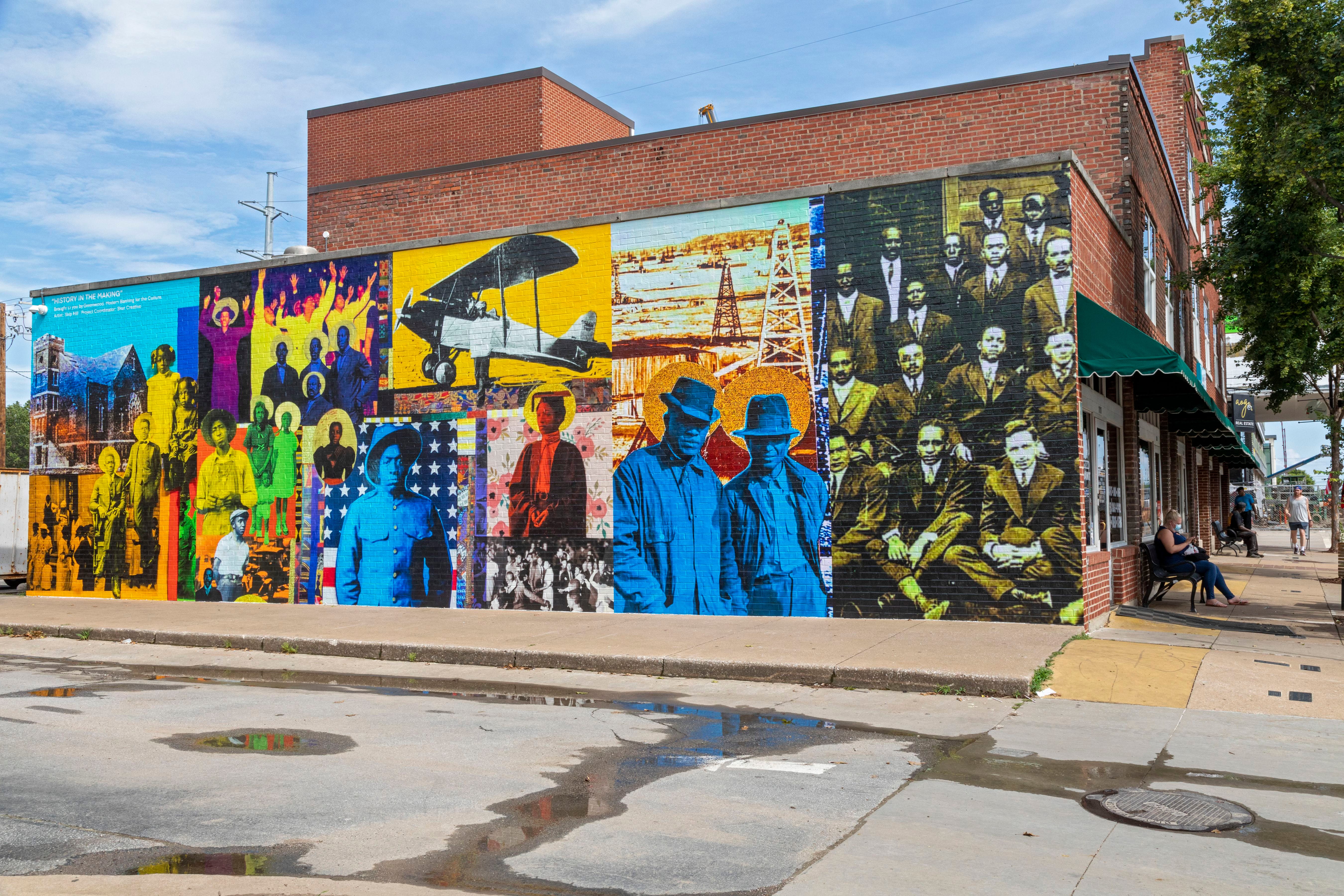
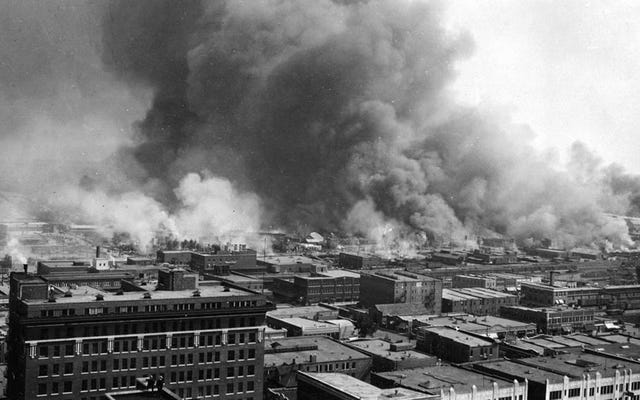
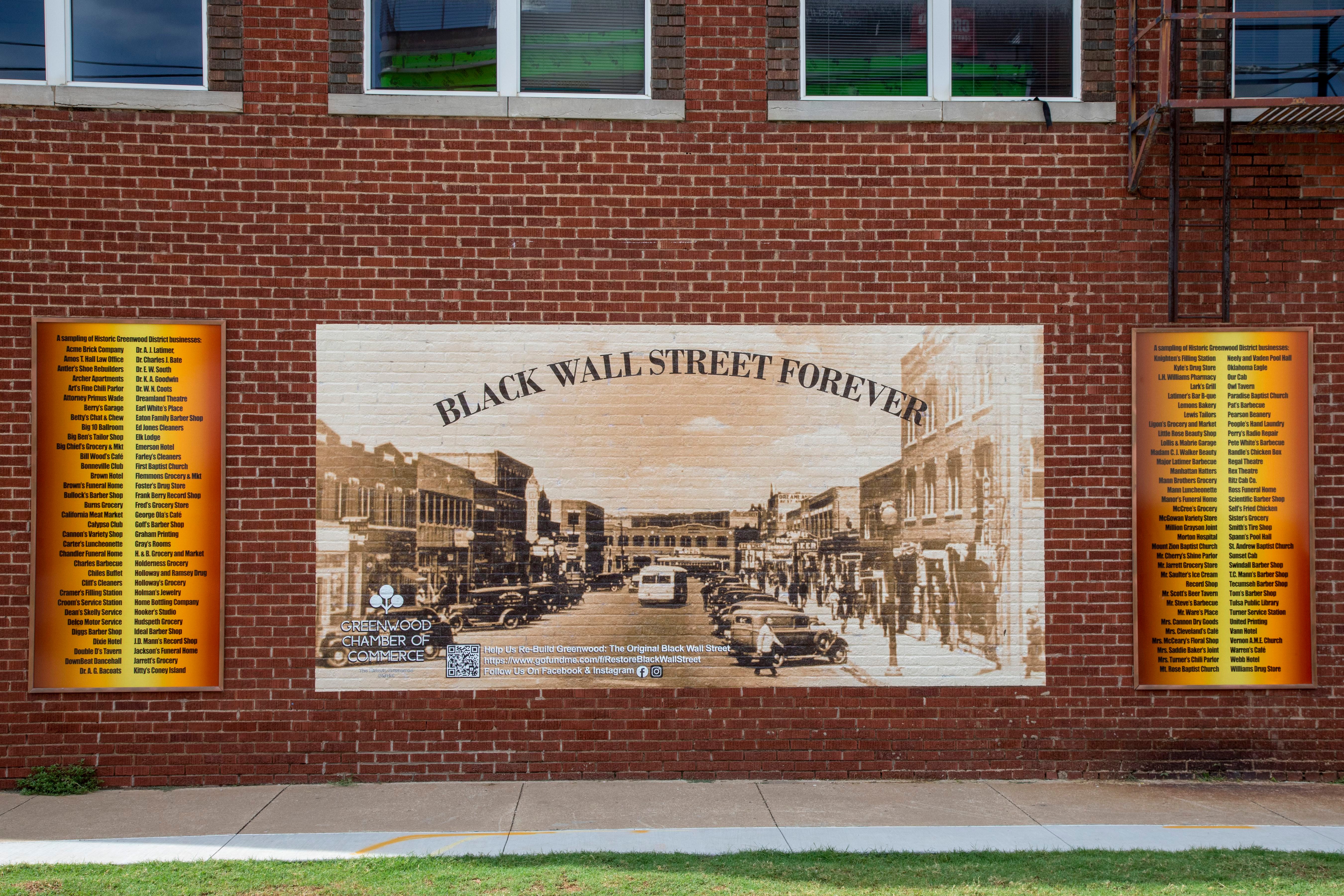
Union Grocery. Dreamland Theatre. Wells Garment Factory. Frisco Cleaners. Along the sprawling Greenwood Avenue, coined as “Negro Wall Street” by Booker T. Washington, Oklahoma’s Greenwood District in Tulsa stood as a bustling, thriving Black community built through excellence, ambition, and fortitude. Now commonly referred to as “Black Wall Street,” the district began in 1906 during the Reconstruction era, when Ottawa W. Gurley bought 40 acres of land in Tulsa and intentionally sold plots exclusively to Black settlers. In a deliberate act forged by visionaries and changemakers who met the barriers of rampant racism and segregation at the time with resilience and economic self-determination, Black Tulsa was born.
In the years that followed its inception, the community prospered. At its height, Black Tulsa boasted more than 10,000 residents and 108 Black-owned businesses. The community became known as a “mecca” of Black entrepreneurship, flourishing with investment.
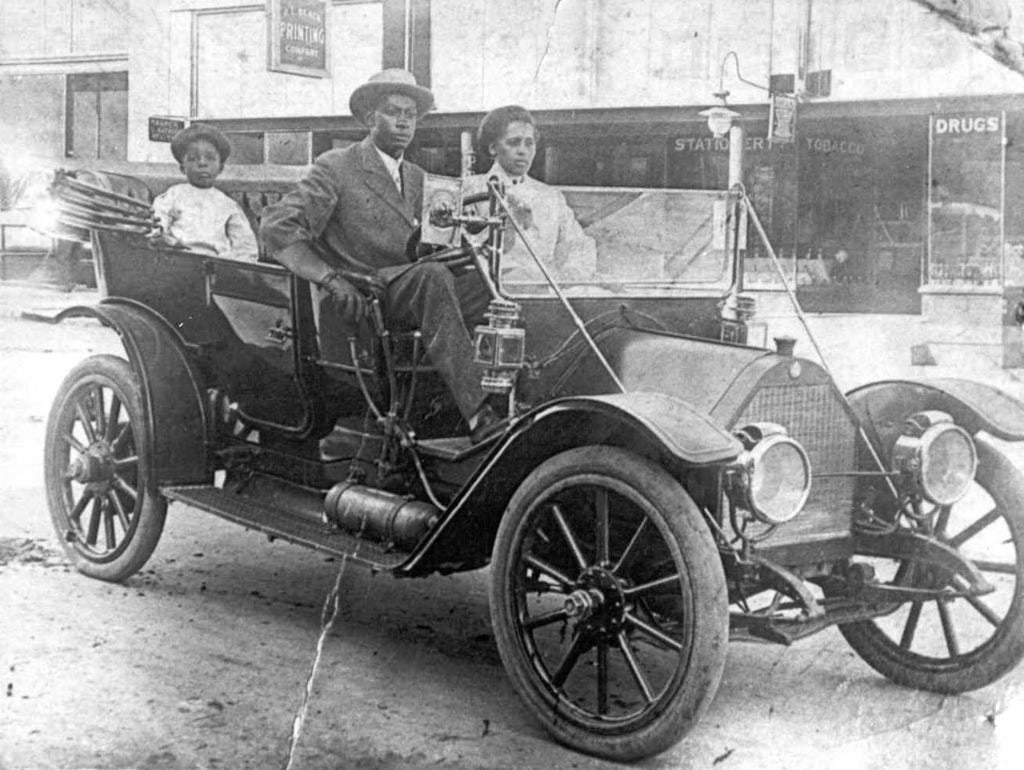
Then, on May 31, 1921, tragedy struck.
For two straight days, white mobs unfurled unspeakable violence against the Greenwood community, inciting terror against Tulsa’s Black people, Black homes, and Black businesses. An estimated 300 people were killed, while thousands more were injured and displaced. Close to the entire population became homeless. More than an estimated 35 acres of properties, including more than 1,000 homes and nearly all of the district’s businesses, were destroyed. In the century since, the Tulsa Race Massacre has become one of the most severe instances of racialized violence against Black communities documented in American history.


The power and magnitude of Black Tulsa cannot be overstated — and neither can its destruction. Even as I’ve spent long periods of time studying the history of the vibrant Black Tulsa community and the horror it endured, I don’t think it’s possible to fully grasp or appreciate its enormity. It’s through digging into archives, reviewing testimonies, and hearing stories that the vibrant, fullest picture of Black Tulsa comes into focus.
One of those voices belonged to Viola Ford Fletcher. Fletcher, affectionately known as Mother Fletcher, was born on May 10, 1914, in Comanche, Oklahoma. She was seven years old during the Tulsa Race Massacre, and lived to be its oldest known survivor. Fletcher, who resided in Greenwood with her family, experienced firsthand the beauty of her beloved community and the incalculable pain that it encountered that fateful day. For nearly a century, Mother Fletcher was intimidated into silence as she lived with the burden of trauma and tragedy incited by the massacre. But, nearly 100 years later, she would make the world listen.
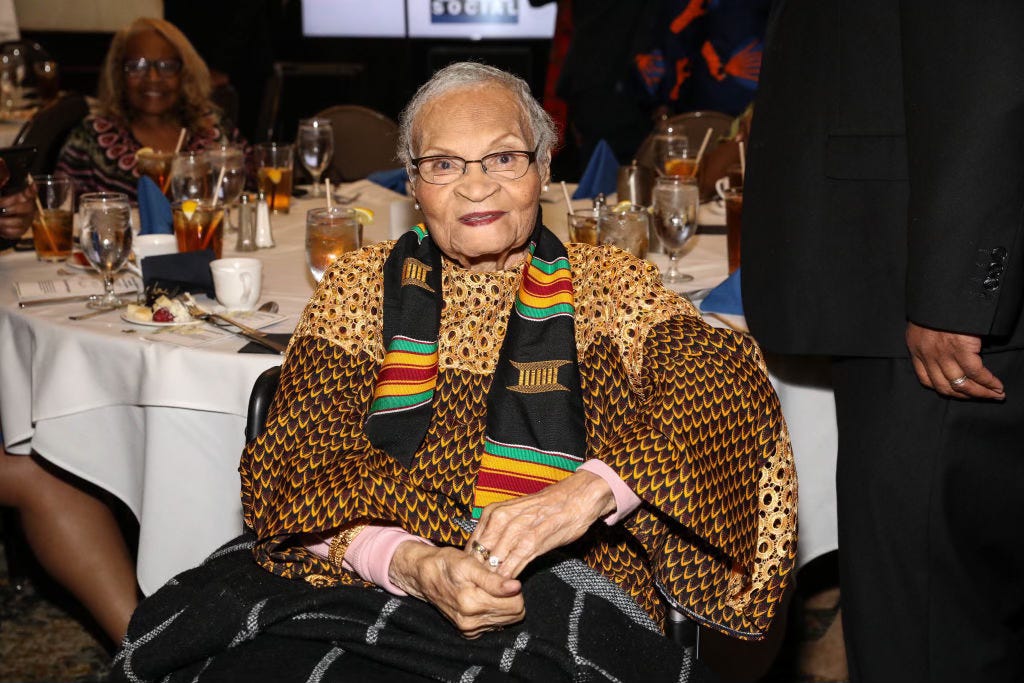
When the news came that Mother Fletcher had passed away at 111 years old last month, I couldn’t help but feel not only the gravity of her life’s work, but also that of carrying her legacy forward.
Black Wall Street is so often spoken about in the past tense, but I believe it’s urgent to discuss it in the now. The story of Black Tulsa didn’t end in 1921, and Mother Fletcher spent her life making sure of it. Her voice pulled a suppressed history back into public view, revealing that the legacy of Black Wall Street is not defined by its destruction, but by the spirit of enterprise, community-building, and refusal to surrender that survives in Tulsa and other Black communities today.
Mother Fletcher and the Truth America Tried to Bury
Fletcher was one of the last living witnesses to a truth America, in her words, tried to bury. Nearly a century later, Mother Fletcher noted the fear and trauma she experienced as a child and the vivid memories etched into her mind for the rest of her life.
For the majority of her life, Fletcher’s voice went unheard and the story of Tulsa’s Greenwood District was largely missing from the public consciousness. Officials called it a “riot,” a word chosen strategically to distort what really happened, and which also allowed insurance companies to deny claims from Black residents whose homes and businesses were destroyed. Efforts to restore the Greenwood District over decades were actively stifled and challenged. Meanwhile, evidence within Tulsa was deliberately destroyed and suppressed, including police documents, newspaper archives, and death records.
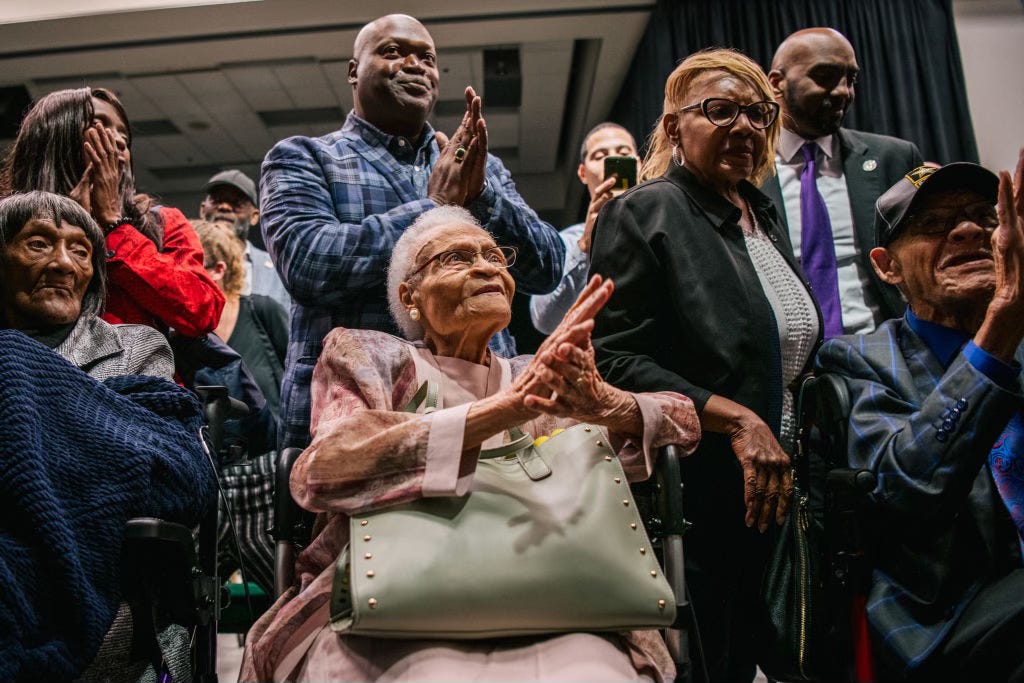
But Mother Fletcher and other Tulsa survivors refused to allow the nation to turn its back. Her testimony before Congress, in interviews, in her memoir, and in her lawsuit seeking long-denied reparations forced the nation and world to face what it had cast an eye from.
“I will never forget the violence of the white mob when we left our home. I still see Black men being shot, Black bodies lying in the street,” Fletcher told Congress in 2021. “I still smell smoke and see fire. I still see Black businesses being burned. I still hear airplanes flying overhead. I hear the screams.”
Despite so many attempts to distort and rewrite the truth, through Mother Fletcher’s eyes, Black Tulsa was destroyed, but not erased.
The Continued Significance of Black Tulsa Today
The powerful and vibrant legacy of Tulsa’s Greenwood District carries on today as a living vision for the community. Efforts by residents and community advocates to seek justice, build political power, and cultivate agency are carrying forward the spirit of Black Tulsa and reflect Greenwood’s legacy of empowerment and resilience.
For example, the Terence Crutcher Foundation, founded following the devastating killing of Terence Crutcher by law enforcement, works to strengthen communities through community-led safety efforts, mental health support, and policy advocacy rooted in a mission to create just and liberated communities free from violence and harm. Founded in 2016, the organization has tirelessly fought on behalf of Tulsa’s Black community, including Fletcher and the other victims of the Tulsa Race Massacre, and will soon honor the 10th anniversary of Terence Crutcher’s death. Their work, ranging from transformative justice programs and voting rights initiatives to youth-led projects and neighborhood engagement walks, is a part of the fight to protect Tulsa’s future. Black communities in Tulsa have demanded change at every level, and their persistence is building power across political, economic, and social spheres.
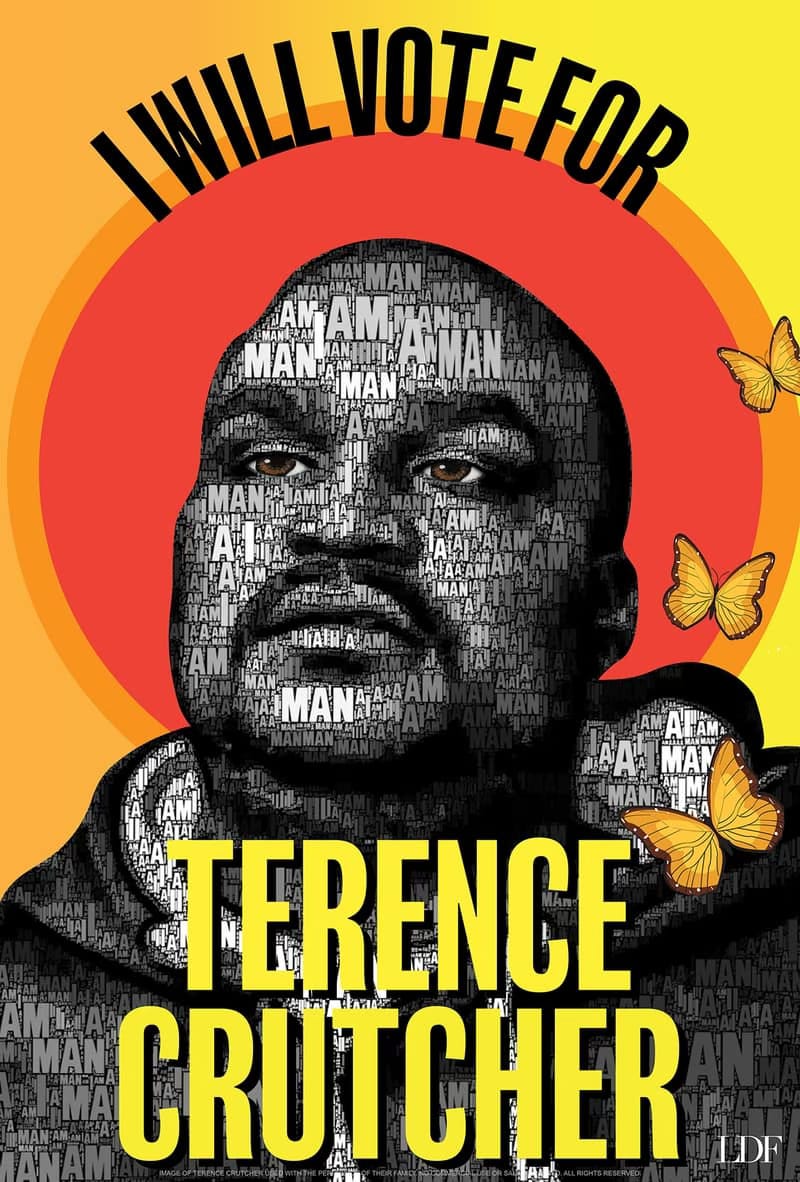
As these grassroots initiatives continue pushing for justice and accountability, they’ve helped open the door for new leadership, including several historic “firsts.” In a milestone election, Tulsa elected its first Black mayor, Monroe Nichols, in November 2024. Mayor Nichols leads initiatives like the Greenwood Trust, a major investment plan aimed at expanding economic opportunity, preserving Greenwood’s cultural identity, and supporting descendants and longtime residents.
Councilwoman Vanessa Hall-Harper, the first Black woman elected to Tulsa’s City Council, has advocated for economic justice, public safety reform, and food access in Tulsa’s District 1.
The city also appointed its first Black Superintendent of Tulsa Public Schools, Dr. Ebony Johnson, in December 2023, a milestone reflecting growing Black representation in education and city governance. These breakthroughs are the result of sustained, community-driven work to build Black political participation, advance economic development, and cultivate opportunity for future generations.
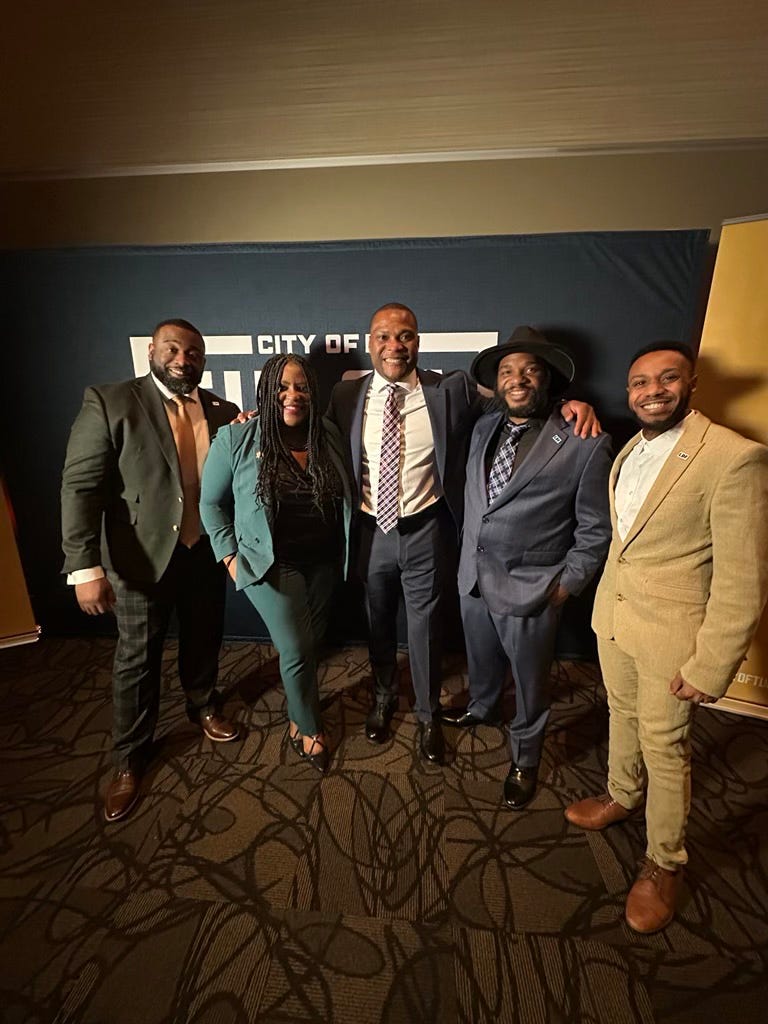
“Tulsa is a living and breathing emblem of Black resilience and determination, a community that has endured unimaginable violence and systemic oppression, yet continues to rise and push forward,” says Ralikh Hayes, Senior Community Organizer at the Legal Defense Fund. “Our organization, alongside local partners, has seen firsthand how when people come together, support one another, and claim their power, they can carry that legacy forward and keep building the future their community deserves.”
Together, these efforts reflect a living continuation of Black Tulsa’s legacy rooted in self-determination, advocacy, and the refusal to let Greenwood’s story be reduced to its destruction. Black Tulsa endures in the work of rebuilding, reimagining, and reclaiming a future as powerful as its past.
Further, the story of Tulsa’s thriving Black Greenwood District speaks not only to the power of the local community, but also serves as an emblem of the power of Black communities across the country. Though extremely successful, Tulsa was certainly not a singular exception — or anomaly — in America. Often overlooked are the nearly 1,200 Black communities that thrived during the early twentieth century. Seneca Village, New York City. Rosewood, Florida. Mound Bayou, Mississippi. Allensworth, California. Chicago’s State Street. Memphis’ Beale Street. Despite the long shadow of slavery and its vestiges, as demonstrated by sharecropping, convict leasing, and other forms of systemic discrimination, Black communities built, organized, and rose. They met these challenges with pride, perseverance, and possibility, beating the odds and choosing to bet on themselves and each other. While a matter of survival due to segregation, these communities rose beyond circumstance to prosper, a clear testament to the power and resilience of Black people.
Many of these communities started as small farming enclaves and then developed into larger, self-sustaining towns with their own economies, schools, and civic life. As their wealth and prosperity increased, so did efforts to stop them, including racialized violence, redlining, exclusionary zoning, and systemic disinvestment.
The resilience of Black Wall Street and other prosperous Black communities isn’t just a chapter in the past; it’s a blueprint we inherit. Their ability to build, to create, and to insist on possibilities even under extraordinary constraint shows that these communities were never solely about survival. They were about shaping the future on their own terms.
Through Persistent Eyes, a Spirit that Endures
I consider today what it means to truly honor the legacies of Mother Fletcher and other victims of the Tulsa Race Massacre. Though she pursued accountability before Congress and in the courts, it still hasn’t come. The rape accusation that supposedly ignited the white mobs that massacred Greenwood was later recanted, and the case was dropped, yet no one was ever held responsible for the violence and destruction that destroyed lives and ravaged the Greenwood District. And more than a century later, the survivors and descendants of the Tulsa Race Massacre have received neither reparations nor restitution.
Still, Mother Fletcher’s fight carries on. Through her bravery and that of other survivors of the shameful ordeal, the story of Black Tulsa insists on being remembered, understood, and kept alive.
Dr. Tiffany Crutcher, Executive Director at the Terence Crutcher Foundation, said it so well.
“[Mother Fletcher] showed us what courage looks like in real time. She showed us what it means to stand tall when history tries to shrink you. As we mourn her passing, we also make a promise: one rooted in blood, memory, and duty,” said Crutcher upon reflecting on her death. “We will keep fighting where she had to stop. We will honor her legacy in the ways she deserved. And we will remain steadfast, every single day, until justice reaches every family still waiting.”
As we reflect on what it means to honor the legacies of Mother Fletcher and the other victims of Tulsa’s destruction at a time when the truthful telling of history and civil rights are under attack, we must hold fast to the spirit of Black Tulsa. It didn’t fade in 1921. It can be found today in the resilience and resurgence of Black entrepreneurship, in the fight for Black political power, in movements to #BuyBlack, in economic boycotts, and in every effort to reclaim what once was taken.
We can honor this spirit by teaching the truth. We can honor it by resisting erasure. We can honor it by listening to Black voices and Black stories without diluting or reframing them for comfort. We can honor it by recognizing Black Wall Street not as just a distant memory, but as a living testament beyond the shadows. And we can honor it by investing and believing boldly in Black businesses, Black futures, and Black dreams.
 | A guest post by
|