


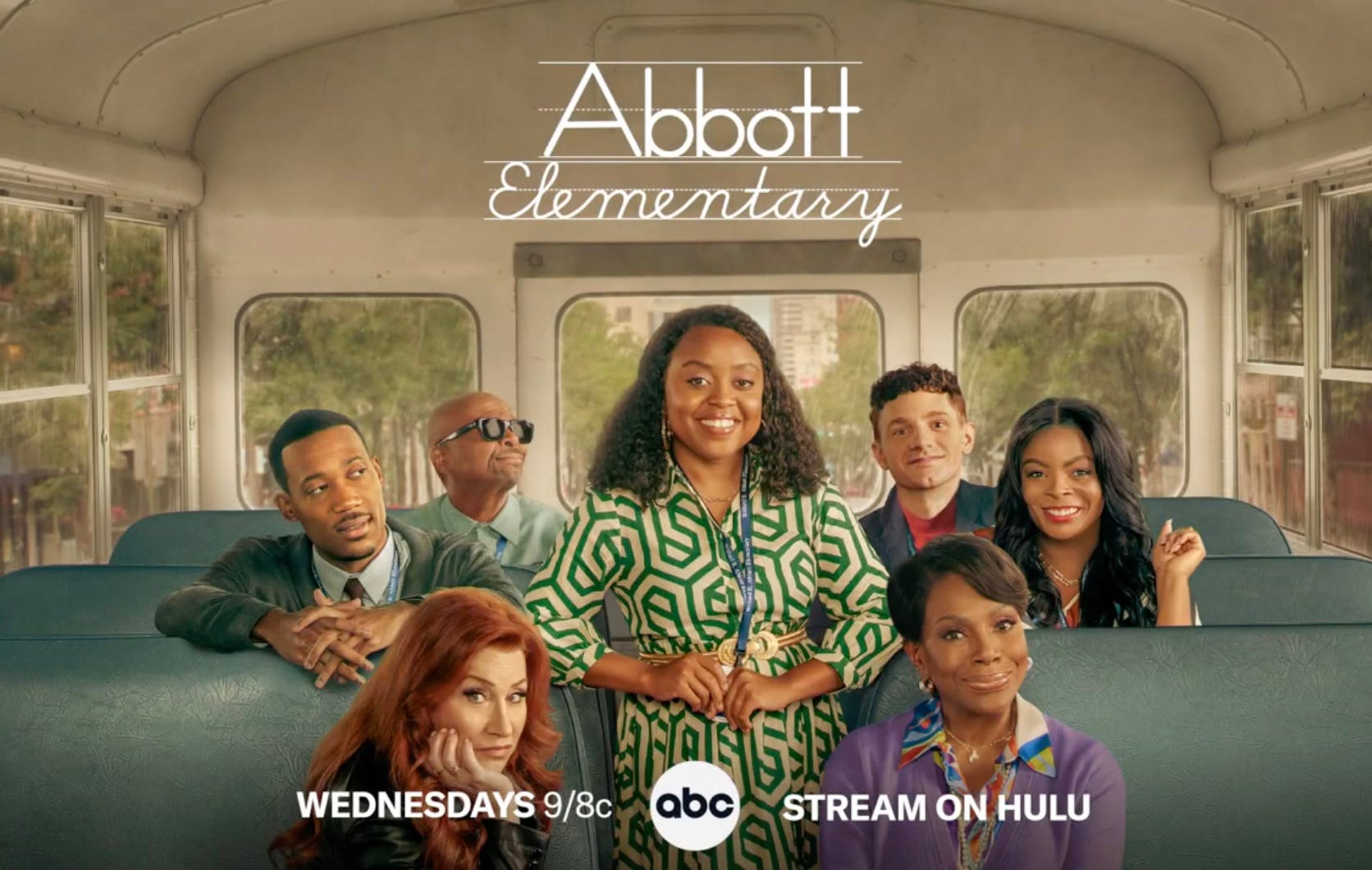
The Emmy-winning series “Abbott Elementary,” created by comedian and producer Quinta Brunson, quickly captured the hearts of America as a thoughtful, endearing look at the daily realities of public school life. The sitcom, which entered its fifth season this month, is a reflection on not only how teachers navigate an underfunded system with creativity and humor, but also a timely and heartfelt window into what America’s public education system needs to thrive. Set in a predominantly Black elementary school in Philadelphia, the show captures educators’ joy, struggle, and resilience as they work to provide opportunities within a system often tested by structural inequities and limited resources.
Intertwining relatable characters and layered storylines with hilarious, clever dialogue, “Abbott Elementary” carries a deeper message about the value of public education and the people who sustain it. Brunson, a Philadelphia native, drew inspiration from teachers in her own life, including her sixth-grade teacher, Ms. Abbott, and her mother, as well as her personal experiences as a student growing up in Philadelphia. Brunson has explained that her goal in creating “Abbott Elementary” was to portray teachers as everyday heroes who don’t get celebrated enough. “We have to have teachers. In order for you and I to sit here and talk, we had to learn English. Teachers make that happen, but they’re paid so little. They’re overlooked and under-appreciated. But they should be the most revered profession, next to doctors,” she said in a 2022 podcast interview for “The Next Question with Katie Couric.” Through humor and empathy, the series honors that premise, portraying the challenges of teaching as both deeply human and socially significant.
As a Philadelphia native myself, I can’t help but feel the salient connection that “Abbott Elementary” has to the real-life challenges public school communities are currently facing across the country. As Brunson noted, public education and those who work to protect it are indispensable. Yet each day, schools confront heightened barriers to the resources that ensure every child, regardless of their race, identity, or zip code, has access to a quality education. At a moment when public education faces intensifying attacks on the federal level and across states, from severe funding cuts and book bans to growing attempts to limit inclusive teaching, '‘Abbott Elementary” stands as an important reminder of these realities, offering a mirror and thoughtful commentary, along with wit and humor.
Here are just a few lessons that I find “Abbott Elementary” reveals about the fight to save public education.
1. Public School Funding Remains a Critical Challenge — And a Necessity
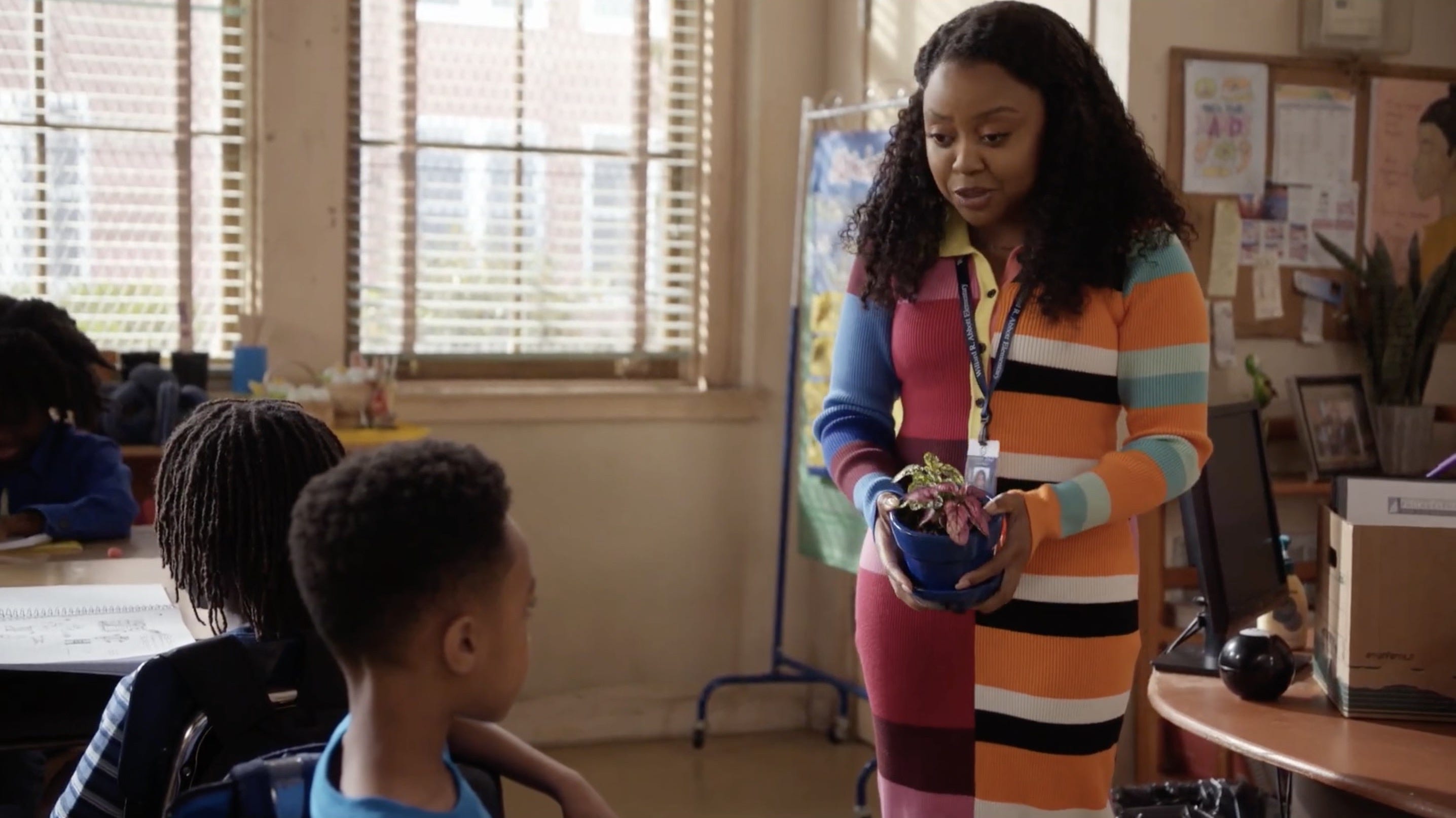
“Abbott Elementary” vividly captures the realities of underfunding within America’s public schools. The show’s dedicated teachers constantly work to fill funding gaps with creativity and determination, finding ways to keep their classrooms running despite limited budgets. With these storylines, the series illuminates the stark realities of funding inequities that have come to largely define public schools nationwide.
Funding disparities remain one of the most persistent challenges in American education. School districts in low-income areas — often serving predominantly Black students and other students of color — receive fewer resources than wealthier districts. According to a study by EdTrust, districts with the highest proportion of students of color receive significantly less funding on average — 16% less per student — than those with the lowest proportion. These inequities are revealed in various ways, from fewer quality classroom materials and instruction to infrastructure challenges that make it difficult to support basic maintenance of school facilities.
In “Abbott Elementary,” Janine Teagues (Brunson’s character) works with unrelenting optimism to bridge these gaps, often through the support of her larger community and out of her own pocket. Much of the show’s humor arises from the teachers’ inventive problem solving and resourcefulness under pressure. In the first-season episode, “Wishlist,” for example, Teagues turns to the internet to crowdfund essential classroom supplies to make up the shortfall.
While the episode is lighthearted, it underscores a critical truth that educators often face every year: They rely on personal sacrifice and community generosity to fill gaps that should be addressed through public investment. “Abbott Elementary” makes clear that equitable funding is a matter that largely impacts whether students, teachers, and staff have access to the resources they need to ensure their public schools can thrive.
2. Teachers are the Heart of Public School Systems – But Need More Support
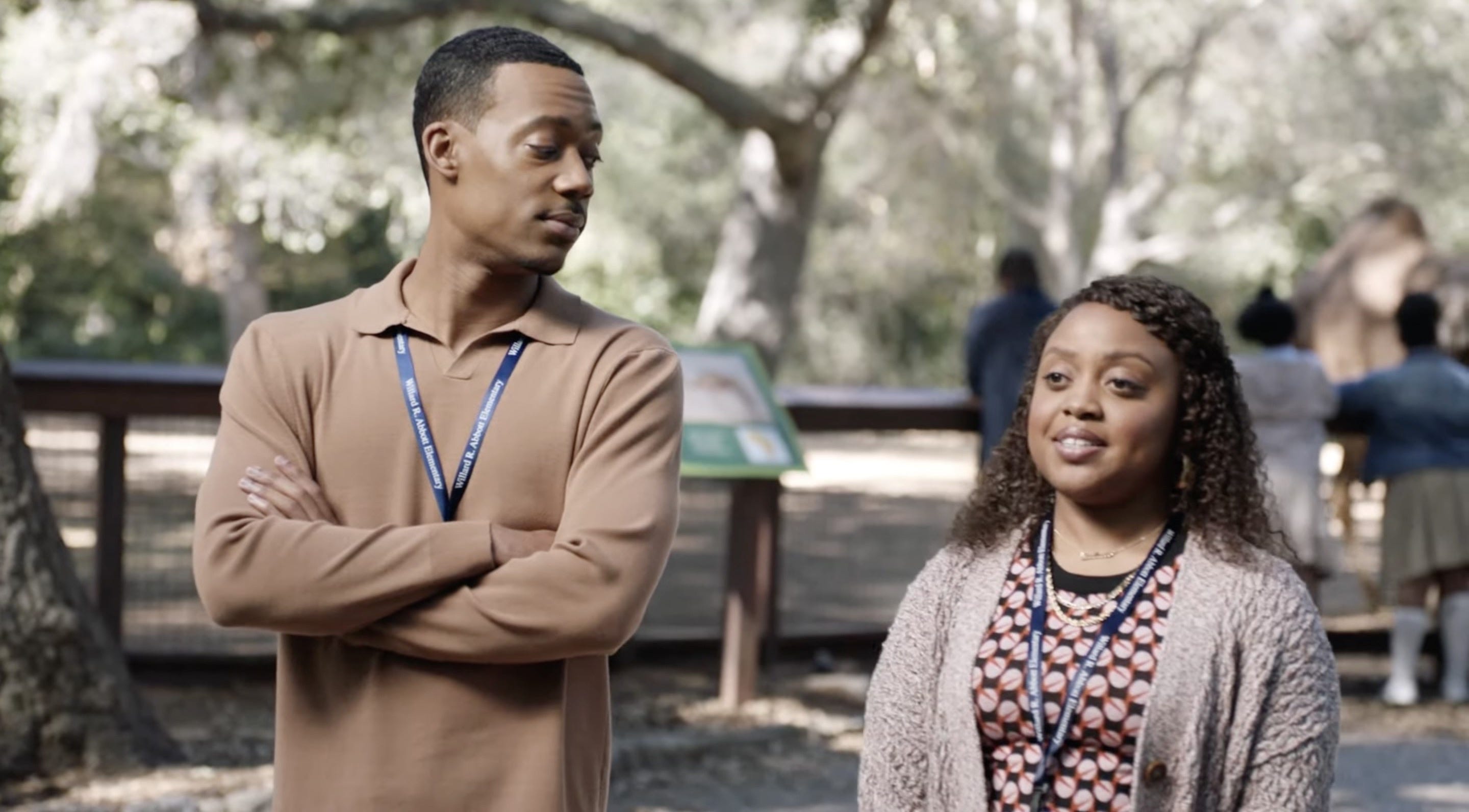
Teachers are often described as the backbone of public education, holding the system together despite its flaws. But “Abbott Elementary” doesn’t shy away from the stark realities of underinvestment within the teaching profession. As Abbott educators meet exhaustion with resilience, they juggle conflicting demands, including limited supplies, concerned parents, shifting district policies, and emotional fatigue, presenting a complex portrayal of what it means to be a teacher with limited resources.
These struggles mirror national realities. Across the United States, teachers are leaving the profession at alarming rates due to low pay, inadequate support, and legislative interference that restricts what can be taught in classrooms. Recruiting and retaining a diverse teaching force, particularly Black male educators and other underrepresented teachers, remains another urgent challenge. Research has long shown that students of color benefit academically and emotionally from having teachers who share their cultural backgrounds, yet systemic barriers continue to limit that representation.
“Abbott Elementary” subtly models what meaningful support might look like. Conversations about building concerns, city investments, and moments of mentorship between characters illustrate how policy solutions can strengthen support for the teaching community. Ultimately, the show reflects teachers as the heart of a system that still requires support to sustain their vital force. In doing so, “Abbott Elementary” underscores an urgent message: Individual dedication alone cannot sustain an essential profession like teaching. Teachers deserve not just praise, but policies and resources that provide them with adequate support.
3. Inclusion Is Not Just a Word, But a Daily Practice
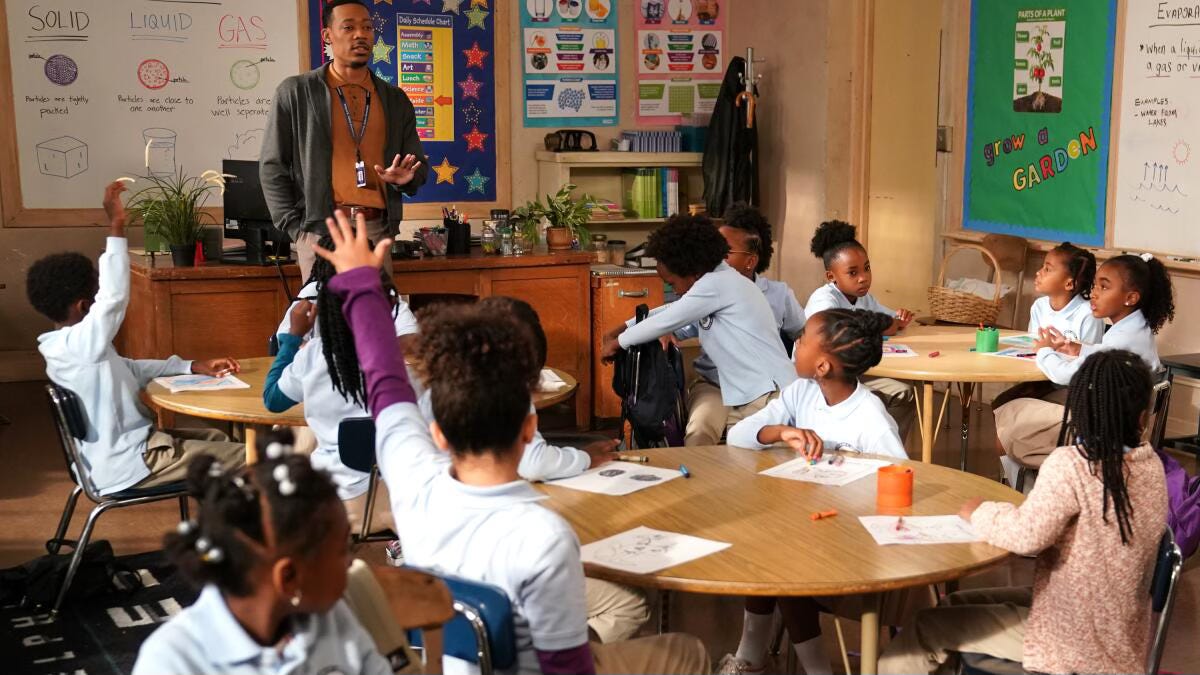
One of “Abbott Elementary’s” greatest strengths is its diverse teaching staff, which includes Teagues’ local roots, Barbara Howard’s veteran classroom experience, Melissa Schemmenti’s Italian-American heritage and South Philly pride, Jacob Hill’s suburban upbringing and openly queer identity, and Gregory Eddie’s military family background. Together, they reflect how diversity among educators strengthens classrooms and communities. “Abbott Elementary” shows that inclusive education isn’t just an abstract concept, but a lived commitment that teachers make every day. The show’s classrooms reflect Philadelphia’s vibrant diversity, modeling it not just through representation, but action — highlighting what it means for every student to feel seen and supported.
For example, in the second-season episode, “Art Teacher,” Hill introduces culturally responsive lessons that honor students’ backgrounds, only to face skepticism from colleagues who doubt whether it’s appropriate. His persistence, along with the thoughtful engagement of his students, illustrate how inclusion benefits everyone. In another episode, “Gifted Program,” Abbott teachers work to revise a typically exclusive gifted program to become more inclusive of all students.
At a time when schools nationwide face book bans and restrictions on teaching about race, gender, and history, “Abbott Elementary” offers a critical counterpoint. The show portrays inclusive, culturally competent teaching as integral to high-quality, comprehensive education. It reminds viewers that when classrooms affirm every child’s identity and experience, learning deepens, along with a sense of community and belonging.
4. Community Belongs at the Core of Education
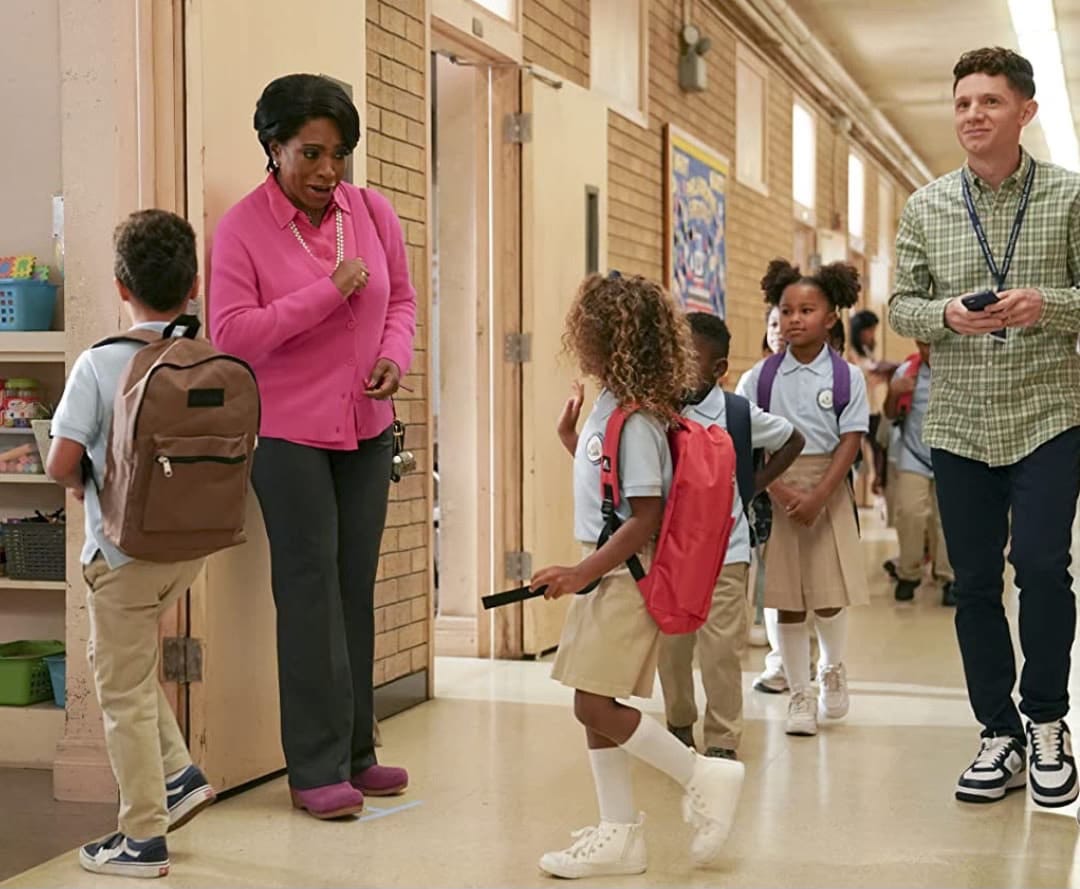
At its heart, “Abbott Elementary” is about community. The daily determination to sustain Abbott is a collective effort to make the school thrive, even when resources fall short. The series shows that education is not an individual pursuit, but a shared responsibility that links teachers, families, and neighborhoods. Each episode reinforces that the strength of a school is deeply connected to the communities it serves.
The show’s portrayal of community also challenges a growing national narrative that positions education as a marketplace rather than a public good. As debates over privatization, vouchers, and “school choice” continue to intensify, “Abbott Elementary” offers an alternative vision: one where we invest in public schools as critical institutions rooted in equity and belonging.
Episodes like “Teacher Appreciation” and “Festival” highlight this interconnectedness, as parents, staff, and students come together to celebrate small victories and support one another through setbacks. Even amid the chaos of underfunding and bureaucratic limitations, Abbott’s teachers find resilience in humor, collaboration, and care. That sense of unity is the real work that allows public schools across the country to keep moving forward.
By centering community as the foundation of learning, the series affirms that public education is essential to democracy itself. Schools are where young people learn how to participate in civic life, to engage with difference, and to imagine collective futures. “Abbott Elementary” celebrates that possibility and reminds viewers that when we invest in our schools, we are investing in the strength of our neighborhoods, communities, and country.
Through humor, compassion, and authenticity, Abbott Elementary captures what public education truly represents: dedication in the face of scarcity, diversity as a strength, and community as a lifeline. It reimagines the everyday struggles of teachers as acts of not only quiet heroism, but honest declarations that equity in education is a fundamental principle in supporting students and school communities. “Abbott Elementary” asks viewers to laugh, but also to care about the real people who make learning possible and the public institutions that deserve our collective investment.
