


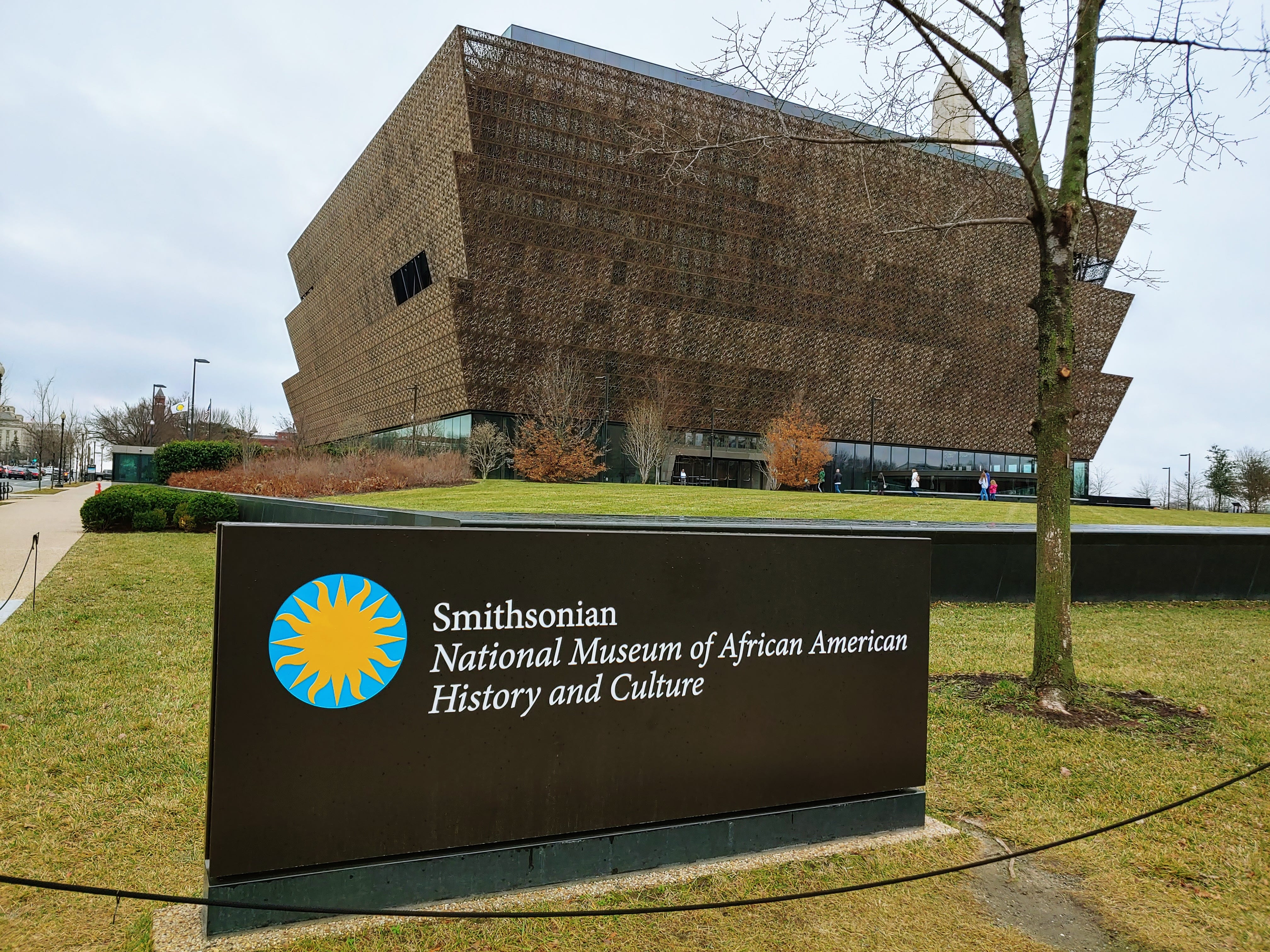
My experience walking through the halls of the Smithsonian’s National Museum of African American History and Culture (NMAAHC) resonated long after the visit’s end. From the depths of its lower levels, where the Middle Passage and the brutal realities of the Transatlantic Slave Trade are laid bare, to the lively upper floors filled with music, art, and cultural triumphs, the museum brings artifacts to life through historical analysis, scholarly insight, and vibrant narratives told from lived experiences.
Together, these stories convey a vivid history and heritage marked by triumphs, tribulations, and transformation. As James Baldwin once wrote, “History is not the past. It is the present. We carry our history with us.” NMAAHC embodies this truth, showing why learning Black history is not optional, but fundamental to understanding America.
Opened on Sept. 24, 2016, NMAAHC is the most recent addition to the Smithsonian Institution, and its prominent architecture commands attention on the National Mall. Designed by architects David Adjaye and Philip Freelon, the three-tiered metallic facade “corona” that adorns the building is inspired by Yoruban sculpture, while the ornamental bronze-colored metal lattice that envelops the entire building allows daylight in and pays homage to the intricate ironwork created by enslaved Black artisans in the American South. Each year, millions of visitors come to NMAAHC to experience a comprehensive, vibrant walk through history that sheds light on truth.
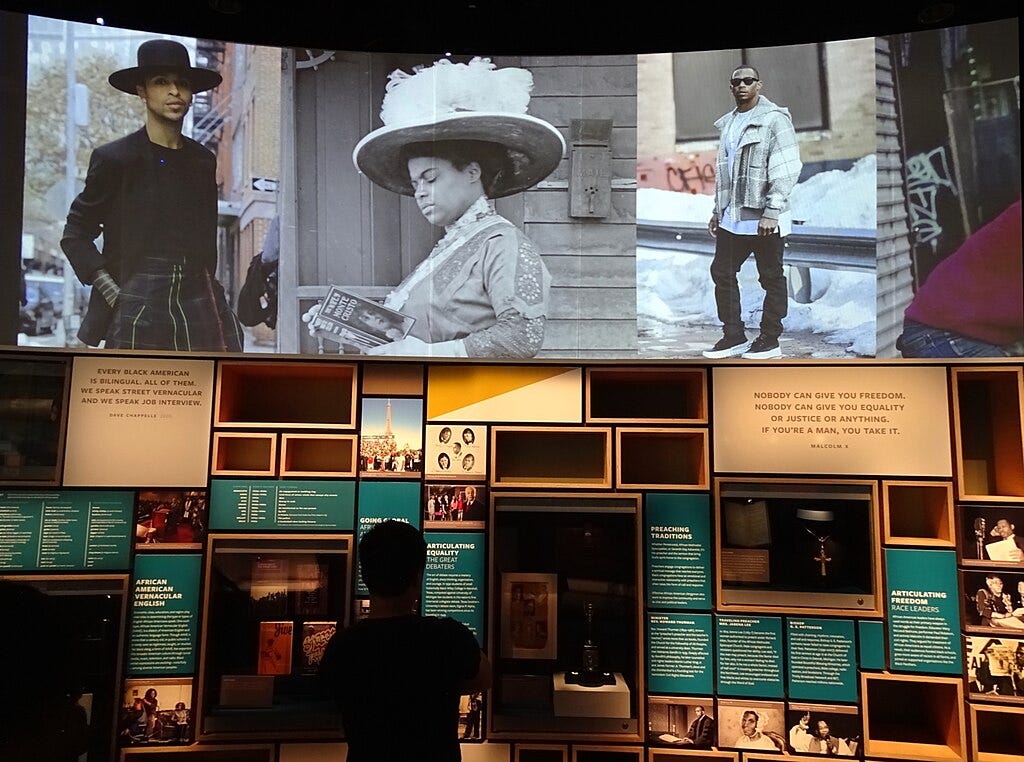
This week marks the 9th anniversary of the museum’s opening. When reflecting on NMAAHC’s impact, its reach and significance cannot be overstated. NMAAHC’s founding was the culmination of an almost 100-year effort, dating back to 1915, to create a national African American museum. Its creation is both a reminder of the critical importance of Black history and a testament to the sustained efforts of Black communities to preserve it. At a time when Black history is under threat, NMAAHC continues to offer visitors enduring lessons about Black history, heritage, and culture. Here are three I observed during my visit.
1. Throughout History, Black Communities Have Always Met Hardship with Strength
Chronicling centuries of historical events, the museum does not shy away from the brutality of America’s past. It takes its visitors through an eye-opening journey, from the horrors of slavery to the enduring oppression of Jim Crow and beyond, that forces us to confront the realities of systemic racism and discrimination. Artifacts such as iron shackles and detailed records of lynchings reveal the widespread and persistent severity of racism throughout America’s history. Yet, in every corner of the museum, the resilience and strength of Black communities in meeting these hardships are on full display.
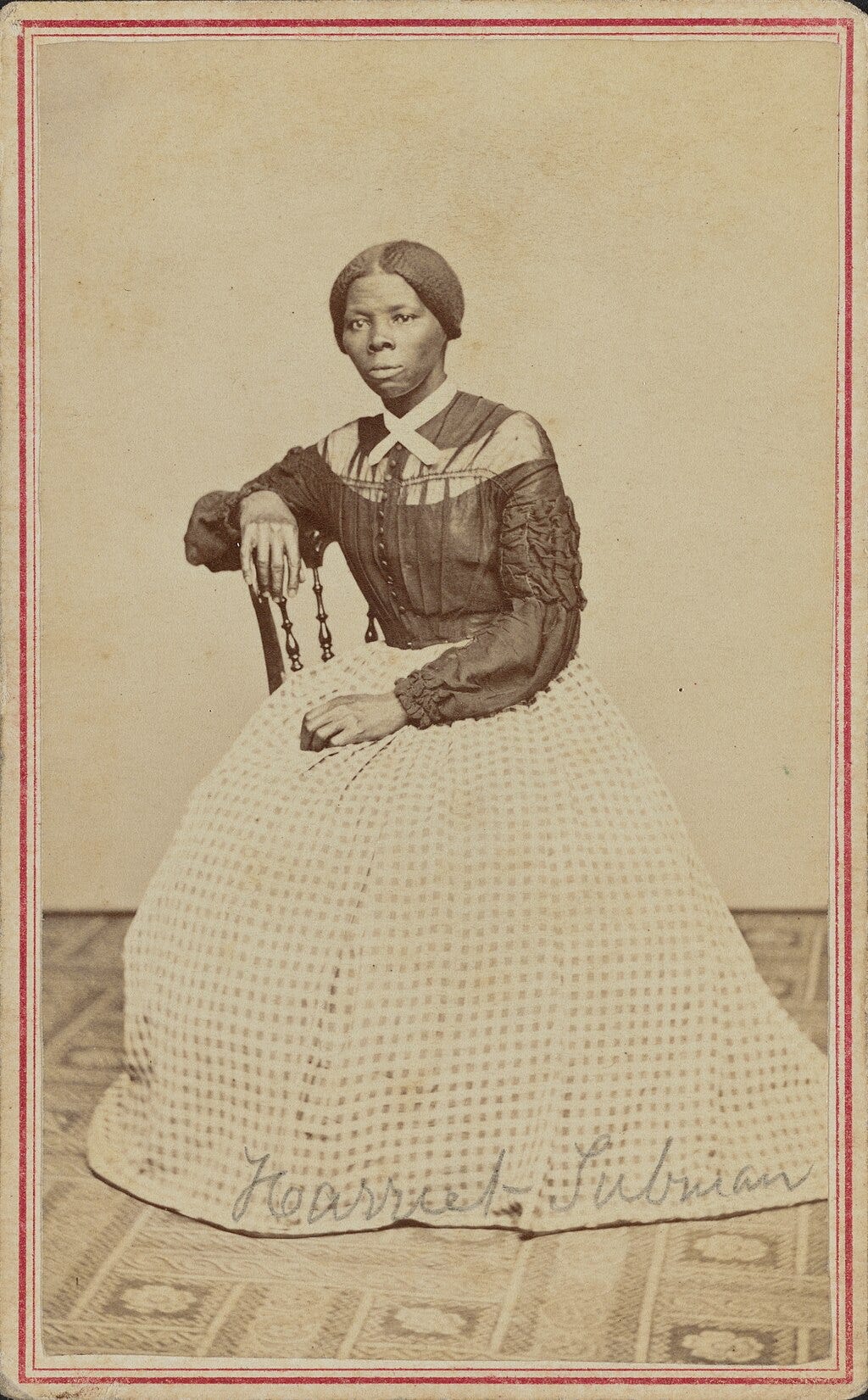
The preserved cabin of enslaved people in Edisto Island, South Carolina, though a haunting reminder of the physical and emotional conditions of bondage, reflects the preservation and resilience of cultural traditions, from faith practices to cultural rituals. Harriet Tubman’s hymn book and shawl testify to her courage and leadership, while Nat Turner’s Bible illustrates how spiritual conviction fueled resistance. Emmett Till’s original casket, a devastating symbol of racial terror, reminds us of Mamie Till’s unflinching bravery in “letting the world see” to force a public reckoning with the cruelty and injustice that endangered her son and Black communities across the Jim Crow South.

The lunch counter where the Greensboro Four protested segregation during the Civil Rights Movement stands as a collective testament of courage to fight for justice. The inventions of Frederick McKinley Jones, Sarah Goode, and Madam C.J. Walker highlight their determination, despite facing racial discrimination, to create innovative technologies and expand opportunity. These stories, told in the form of historical artifacts, remind us that even under impossible circumstances, Black communities have always defied limits to assert their humanity and demand their freedom.
2. Black Communities Have Always Claimed Joy as an Act of Community, Life Force, and Defiance
Capturing the richness of Black heritage and culture, the museum shows that joy has always been an integral and ever-present life force in Black communities. This vital force is woven into food, language, music, art, cultural traditions, and daily life, reflecting joy as a key ingredient in sustaining community and connection.
Artifacts bring this to life. Chuck Berry’s gleaming red Cadillac Eldorado and Maybellene electric guitar embody freedom, individuality, and musical brilliance. Costumes from The Wiz reflect bold and imaginative storytelling through vivid cultural expression. Muhammad Ali’s boxing gloves and Serena Williams’ iconic tennis outfits speak to pride, confidence, and defiance. The showstopping outfits of musical performers like Josephine Baker, Janelle Monáe, Prince, and Beyoncé epitomize bold artistry and are an homage to authenticity. Photographs of Marsha P. Johnson at an NYC Pride Parade capture resilient joy as a vital force in challenging rampant discrimination against Black LGBTQ+ people and communities.


The literature of Toni Morrison and Phillis Wheatley speak to the power of words in telling transformational stories. Ebony and Jet magazine covers document everyday celebrations, achievements, and community life across generations. The museum also highlights cultural practices, from church gatherings and dance to traditions like Juneteenth celebrations, that have preserved community, identity, and joy across generations.
These moments of joy and cultural expression are both a reflection of resilience and a source of strength. At NMAAHC, joy is shown not as a rare exception, but as an enduring thread of Black history and heritage woven through generations.
3. Black History is American History
The museum makes clear that Black history is not separate from American history — it’s foundational to it. From its earliest days, Black people contributed to the building, expansion, and fabric of this country, despite their stories too often being erased or minimized. At NMAAHC, these contributions are revealed with clarity, showing how Black communities are at the heart of the nation.
Walking through NMAAHC, I saw this fact demonstrated vividly in every corner. For example, an Ida B. Wells pamphlet exposes the brutal realities of lynching and demonstrates the courage of Black activists in revealing truth and demanding justice. The Tuskegee Airmen’s uniforms and a restored aircraft highlight the bravery and patriotism of Black military personnel in World War II. Recordings from Jimi Hendrix, Tina Turner, Dizzy Gillespie, and Louis Armstrong show how Black creativity and innovation redefined American music. Remains of stained glass from the 16th Street Baptist Church bombing that killed four young girls in Birmingham, Alabama, testify to the unwavering resolve and spirit of Black communities to demand accountability and justice in the face of pain.


NMAAHC also hosts several initiatives aimed at preserving and honoring “everyday African American history and family stories,” supporting the museum’s foundational principle that experiences in the daily lives of individuals, too, are instrumental to the full story of America.
These historical collections reveal that Black history is American history. Black people and communities have long shaped this nation and continue to mold its present and future, asserting their rightful place to live justly, participate fully in its democracy, and have their voices heard.
The Smithsonian’s National Museum of African American History and Culture, and other African American museums and cultural institutions across the nation, stand as beacons of truth in an era where efforts to sanitize American history aim to erase the vital history, heritage, and contributions of Black Americans. In March, President Donald Trump issued an executive order targeting truthful history in Smithsonian museums, and last month several White House staff sent a letter to the Smithsonian Institution’s Secretary Lonnie Bunch requesting a “comprehensive internal review” of NMAAHC’s materials.
From state-level legislation aiming to erase comprehensive Black history curricula from classrooms to federal mandates seeking to restrict inclusive education in schools and cultural institutions, the battle over truth is intensifying. Yet, as these oppressive measures rise, so too does the resilience of those who continue to fight for honesty about our nation’s past. Despite these threats, the full truth of Black history and heritage will not be erased. It will continue to be told, preserved, and celebrated.

